

How Larry Winget’s Book Can Transform Your Financial Future
Did you know that over 60% of Americans are living paycheck to paycheck? This startling statistic reflects a widespread challenge many face in managing their finances. In his eye-opening book, “You’re Broke Because You Want to Be,” author Larry Winget dives deep into the reasons behind this persistent struggle, addressing issues such as overspending, maxed-out credit cards, and a lack of savings. Winget’s insights not only expose the excuses we make but also provide actionable strategies that can shift your financial mindset from surviving to thriving. In this blog post, we’ll explore key takeaways from Winget’s book, including his twelve strategies for financial success and practical budgeting techniques that can help you finally take control of your finances.
Understanding the Root Causes of Financial Instability
Before we delve into the solutions Larry Winget proposes, it’s crucial to understand the common pitfalls that lead many people into financial hardship. According to Winget, several key factors contribute to this cycle of stress and financial instability:
- Overspending: Many people spend beyond their means, falling into the trap of believing they deserve certain luxuries or lifestyle choices, even when their finances can’t support it.
- Maxed-out Credit Cards: Relying on credit cards for regular expenses often leads individuals down a long road of debt that seems impossible to escape. Winget argues that this reliance can stem from a lack of self-discipline and understanding of how credit works.
- Living Paycheck to Paycheck: This is a situation many find themselves in, where any unexpected expense can create a financial crisis. Winget emphasizes that this lifestyle not only limits personal freedom but also creates overwhelming stress.
- Lack of Savings: Many avoid the concept of saving, often viewing it as a privilege rather than a necessity. Winget points out the need to shift this mindset, recognizing that saving should be a foundational habit in financial management.
Twelve Ways to Move from Surviving to Thriving
In “You’re Broke Because You Want to Be,” Winget includes 12 practical strategies to transform your financial life. Here’s a summary of these pivotal points:
- Face the Truth: Recognize your current financial situation without making excuses. Understanding where you stand is the first step toward improvement.
- Set Clear Goals: Specify where you want to be financially and create a plan to get there.
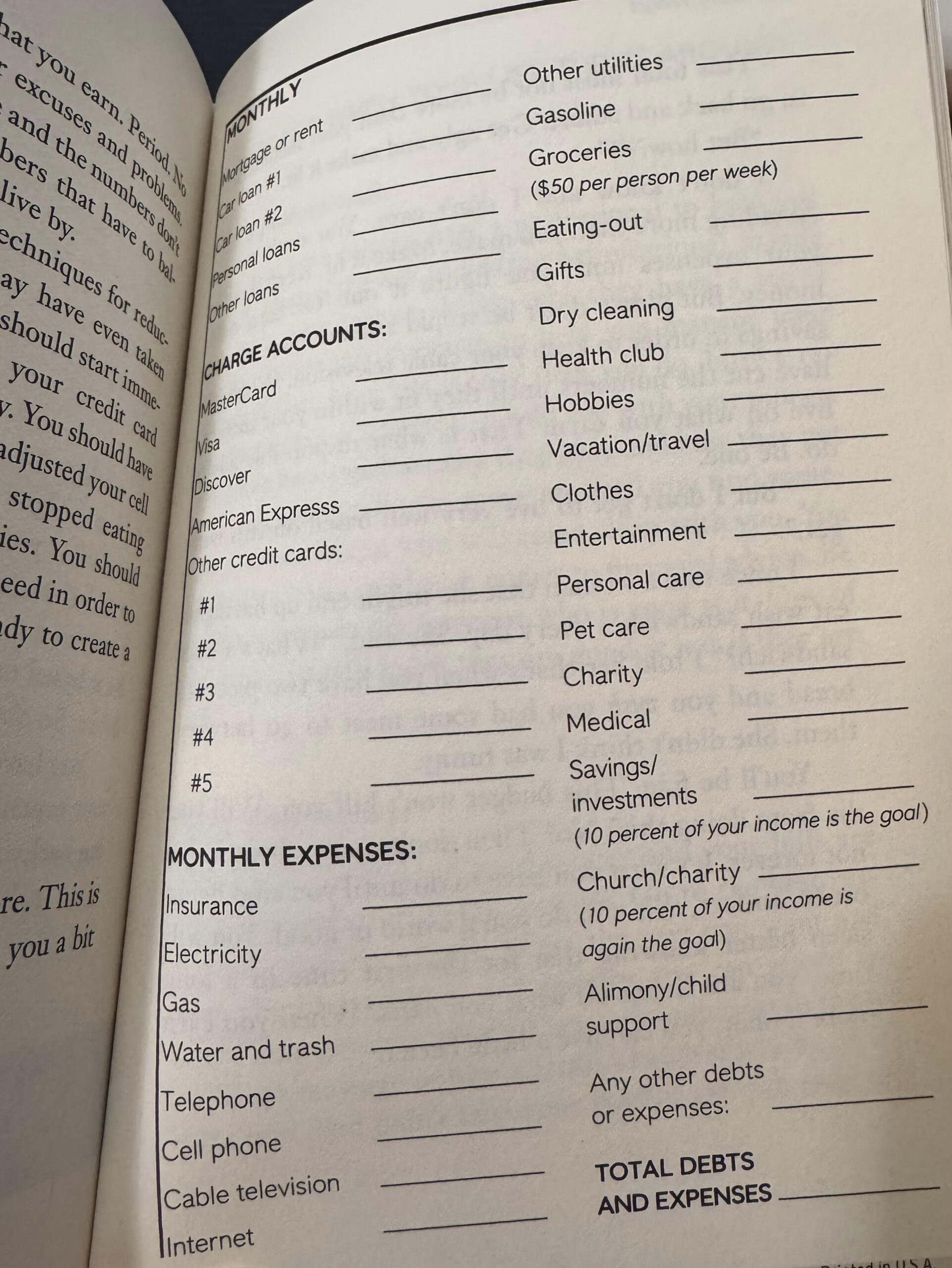
- Create a Budget: Establish a realistic budget that ensures you are living within your means. Winget emphasizes the importance of strict budgeting habits as a path toward financial freedom.
- Cut Unnecessary Expenses: Winget encourages readers to scrutinize their spending habits and eliminate non-essentials. This ruthless approach can free up cash to improve savings and debt repayments.
- Increase Your Income: Explore additional income streams, whether through side hustles or negotiating a raise at work.
- Track Spending: Keep meticulous records of your expenditures to identify spending patterns and areas where you can cut back.
- Eliminate Debt: Focus on paying off high-interest debt first, such as credit card balances, to reduce overall financial strain.
- Invest Wisely: Educate yourself about investment opportunities to grow your wealth over time, rather than relying solely on savings.
- Save Regularly: Make saving a priority by setting up automatic transfers to a savings account each month.
- Avoid Impulse Purchases: Winget strongly suggests waiting 24 hours before making any nonessential purchase to allow time for reflection and budget adjustment.
- Engage in Financial Education: Read books, attend workshops, or listen to podcasts to broaden your financial literacy.
- Be Persistent and Patient: Recognize that real change takes time, and the journey to financial security requires dedication and commitment.
The Power of Accountability
One major element Winget explores is accountability. Having someone to check in with can significantly impact your financial journey. Whether it’s a friend, a family member, or a financial advisor, accountability can help keep you motivated and less likely to fall back into old, destructive habits.

Whether through social media groups, local finance clubs, or even an informal setup with a trusted friend, finding a support network can play a crucial role in staying on track with your financial goals.
Real-Life Success Stories
Winget doesn’t just provide theory; he backs up his advice with real-life success stories. Several individuals who applied his methods share their transformative journeys from financial stagnation to thriving. Their stories encompass:
- From Debt to Freedom: Many detail how they used Winget’s strategies to pay off debt and build savings. These compelling narratives illustrate that with commitment, anyone can change their financial situation.
- Budgeting Masteries: Testimonials highlight how implementing strict budgeting has enabled them to regain control of their finances, live within their means, and plan for future financial goals.
These stories serve as inspiration, demonstrating that even in the most daunting circumstances, financial transformation is possible.
Key Takeaways from the Book
When reading “You’re Broke Because You Want to Be,” several key takeaways are vital to reflect upon:
- Excuses or Solutions?: The mindset shift from making excuses to seeking solutions is foundational.
- Create an Emergency Fund: When unexpected expenses arise, having an emergency fund can protect you from falling back into debt.
- Budgeting is Freedom: A budget isn’t just a guideline, but a pathway to freedom and fulfillment.
Budgeting Strategies Explained
Creating a Comprehensive Budget
When embarking on your budgeting journey, begin by listing all income sources and fixed expenses. Here’s a breakdown of actionable steps to help you create a budget that works for you:
- Gather Financial Statements: Collect all bank statements, bills, and receipts from the past month.
- List All Income: Include every source of income, such as salary, bonuses, and side jobs.
- Identify Fixed Expenses: Document all monthly bills, such as rent, utilities, and insurance, that remain constant.
- Track Variable Expenses: These include groceries, dining out, and entertainment. Track these expenses for a month to identify unnecessary spending.
- Create a Budget Template: Using spreadsheets or budgeting apps can help you create a clear overview of your financial commitments.
- Revise Regularly: Evaluate your budget monthly to adjust for any changes in income or expenses.
Online Bonuses and Resources
In addition to in-depth insights, Winget’s book offers numerous online bonuses that provide even more resources:
- Exclusive Financial Worksheets: These worksheets help track expenses and savings goals effectively.
- Video Tutorials: Winget provides access to videos that cover advanced budgeting techniques and motivational strategies.
- Community Access: Engaging with others on the same financial journey can provide support and accountability.
Conclusion: Taking the First Step
By internalizing and implementing Larry Winget’s strategies, anyone can break free from the financial chains that bind them. The transition from merely getting by to thriving financially is not just a dream—it can be your reality. Monitoring your spending, setting clear financial goals, and creating a supportive network can lead you to the financial security you desire.
Where Do We Go from Here? Evaluate your social media plan with Alecia Stringer at www.AleciaStringer.info to gain additional insights on how you can share your journey and learn from others. Remember, your financial future is in your hands, and the journey starts today! Take the first step and transform your financial life; the power lies within you.

Leave a Reply